A. What is AP Art History?
AP Art History delves into global visual cultures‚ spanning ancient to contemporary periods‚ fostering critical thinking and analytical skills through image-based study.
B. Course Overview and Objectives
This rigorous course aims to develop a deep understanding of artistic traditions‚ functions‚ and historical contexts‚ preparing students for college-level art historical inquiry.
C. Exam Format and Scoring
The AP Art History exam includes multiple-choice questions and free-response questions—slide identification and essay writing—assessing visual analysis and historical knowledge.
AP Art History is a challenging‚ college-level course designed to equip students with a comprehensive understanding of the history of art from across the globe. It’s not simply memorizing names and dates; rather‚ it’s about learning to see – to analyze visual information and understand the cultural‚ religious‚ political‚ and social contexts in which art was created.
The course spans a vast timeline‚ beginning with prehistoric art and extending through the present day‚ encompassing diverse cultures from Africa‚ Asia‚ Europe‚ the Americas‚ and Oceania. Students will learn to critically examine artworks‚ identifying their stylistic characteristics‚ understanding their iconography‚ and interpreting their meaning within their historical framework.
Essentially‚ AP Art History cultivates visual literacy and analytical skills applicable far beyond the realm of art. It encourages students to think critically‚ communicate effectively‚ and appreciate the rich tapestry of human creativity throughout history. It’s a journey through time and across cultures‚ all viewed through the lens of artistic expression.
The AP Art History course is structured around broad historical periods and geographical regions‚ providing a chronological and global perspective on art. Students will investigate approximately 250 artworks‚ learning to analyze their form‚ function‚ content‚ and context. A significant portion of the course focuses on developing skills in visual and contextual analysis‚ requiring students to articulate their observations and interpretations with clarity and precision.
Key objectives include mastering art historical terminology‚ understanding the principles of design‚ and recognizing the influence of historical events on artistic production. Students will also learn to compare and contrast artworks from different cultures and time periods‚ identifying common themes and stylistic innovations.
Ultimately‚ the course aims to foster a lifelong appreciation for art and its ability to reflect and shape human experience‚ preparing students for further study in art history or related fields.
The AP Art History exam is a comprehensive assessment comprised of two sections: Multiple-Choice and Free-Response. The Multiple-Choice section consists of 80 questions‚ testing knowledge of art historical facts‚ stylistic characteristics‚ and contextual information. The Free-Response section includes a slide identification question‚ requiring detailed analysis of an unseen artwork‚ and an essay question‚ demanding a well-supported argument based on provided images.
Scoring is based on a 1-5 scale‚ with 5 being the highest. The Multiple-Choice section accounts for 50% of the total score‚ while the Free-Response section contributes the remaining 50%. Successful performance requires both breadth of knowledge and analytical skill.
Preparation involves consistent review of artworks‚ practice with visual analysis‚ and honing essay-writing abilities. Understanding the College Board’s scoring guidelines is crucial for maximizing potential.
II. Ancient Mediterranean World (3000 BCE – 300 CE)
This era encompasses the art of the Near East‚ Egypt‚ and Greece‚ revealing foundational artistic principles and cultural values through monumental architecture and sculpture.
A. Ancient Near East (3500-330 BCE)
The Ancient Near East‚ encompassing Mesopotamia and Persia‚ showcases early civilizations’ artistic innovations. Focus on understanding the function of ziggurats as religious centers and their monumental scale. Key works include the Warka Vase‚ illustrating narrative relief sculpture‚ and the Standard of Ur‚ demonstrating early examples of composite views.
Pay close attention to the development of writing systems‚ like cuneiform‚ and their integration into art. The Code of Hammurabi stele is crucial‚ not only for its legal significance but also for its depiction of royal authority. Akkadian art‚ particularly the bronze head of an Akkadian ruler‚ exemplifies realistic portraiture.
Persian art‚ exemplified by Persepolis‚ reveals imperial power through grand palaces and relief carvings depicting processions and tribute. Mastering these examples and their historical context is vital for success on the AP Art History exam.
B. Ancient Egypt (3100-30 BCE)
Ancient Egyptian art is deeply rooted in religious beliefs and the afterlife. Master the concept of ma’at – cosmic balance – and how it influenced artistic conventions. Key monuments include the pyramids at Giza‚ demonstrating engineering prowess and pharaonic power. The Great Sphinx embodies royal authority and divine protection.
Focus on understanding the stylistic conventions of Egyptian sculpture: frontal poses‚ idealized forms‚ and hieroglyphic inscriptions. The Palette of Narmer is crucial for understanding early dynastic art and the unification of Egypt. Tomb paintings‚ like those in the tomb of Nebamun‚ reveal daily life and beliefs about the afterlife.
Akhenaten’s reign brought artistic innovation with a more naturalistic style‚ as seen in sculptures of the royal family. The tomb of Tutankhamun provides a wealth of artifacts illustrating Egyptian funerary practices and artistic skill.
C. Ancient Greece (850 BCE – 31 BCE)
Ancient Greek art evolved through distinct periods: Geometric‚ Archaic‚ Classical‚ and Hellenistic. Understand the shift from stylized forms to idealized naturalism. The Geometric Krater exemplifies early Greek pottery with abstract designs. Archaic sculpture‚ like the Kouros figures‚ showcases rigid poses and the “archaic smile.”
The Classical period represents the pinnacle of Greek art‚ emphasizing harmony‚ balance‚ and proportion. The Doryphoros (Spear-Bearer) by Polykleitos embodies the “canon” of ideal human proportions. The Parthenon‚ a temple dedicated to Athena‚ exemplifies Classical architecture.
Hellenistic art displays increased emotionalism‚ dynamism‚ and realism‚ as seen in the Laocoön and His Sons. Greek vase painting‚ including red-figure and black-figure techniques‚ provides insights into mythology and daily life.
III. Medieval Art (300 – 1400 CE)
Medieval art‚ spanning Early Christian‚ Byzantine‚ Romanesque‚ and Gothic periods‚ reflects religious devotion and societal shifts through architecture and illuminated manuscripts.
A. Early Christian and Byzantine Art (300 – 1453 CE)
Early Christian art‚ emerging from Roman traditions‚ initially utilized catacombs for symbolic imagery‚ later developing basilicas as central worship spaces. Key features include mosaics and narrative reliefs‚ reflecting a shift towards monotheism. Byzantine art‚ centered in Constantinople‚ flourished with opulent mosaics‚ centralized church plans (like Hagia Sophia)‚ and iconic representations of Christ and the Virgin Mary.
Understanding the theological context is crucial; images weren’t meant as realistic depictions but as windows to the divine. Iconoclasm‚ a period of image destruction‚ significantly impacted Byzantine artistic production. Stylization‚ flattened perspective‚ and rich symbolism characterize both styles. Focus on recognizing architectural features like pendentives and domes‚ and identifying key motifs like the chi-rho and theotokos. Studying the political and religious influences shaping these artistic expressions is essential for exam success.
B. Romanesque Art (c. 1000 – 1150 CE)
Romanesque art‚ flourishing across Europe after the Carolingian period‚ is characterized by massive architecture—particularly churches—featuring rounded arches‚ thick walls‚ and small windows; Pilgrimage routes spurred construction‚ exemplified by structures like Saint-Sernin in Toulouse. Sculpture became integral‚ often adorning portals with tympanums depicting Christ in Majesty and scenes from the Bible‚ serving didactic purposes for a largely illiterate population.

Illuminated manuscripts also thrived‚ showcasing vibrant colors and stylized figures. Key features include hierarchical scale‚ distorted proportions‚ and a focus on conveying spiritual meaning rather than naturalism. Reliquaries‚ often adorned with precious materials‚ held sacred relics. Understanding the monastic influence and the socio-political context of feudalism is vital. Recognize the stylistic differences between regional variations and the function of art within the pilgrimage system for exam preparation.
C. Gothic Art (c. 1150 – 1400 CE)
Gothic art emerged in France‚ evolving from Romanesque and marked by a shift towards greater height and light in architecture. Pointed arches‚ ribbed vaults‚ and flying buttresses enabled taller‚ more ornate cathedrals like Chartres‚ symbolizing a reaching towards the divine. Stained glass windows became prominent‚ narrating biblical stories and transforming interior spaces with colored light.
Sculpture became more naturalistic‚ though still often integrated into architectural settings. Panel painting gained importance‚ with altarpieces and illuminated manuscripts displaying increased detail and emotional expression. The rise of universities and urban centers influenced artistic patronage; Key characteristics include elegance‚ verticality‚ and a focus on realism. For the AP exam‚ understand the theological symbolism embedded within Gothic art and its connection to scholastic philosophy.
IV. Renaissance and Baroque (1400 – 1800 CE)
Renaissance and Baroque periods showcase humanism‚ classical revival‚ and dramatic intensity‚ evolving from Italian origins to Northern European expressions of artistry.
A. Italian Renaissance (1400 – 1600 CE)
The Italian Renaissance‚ a cultural rebirth‚ prioritized humanism and classical antiquity‚ profoundly impacting art. Early Renaissance artists like Brunelleschi and Donatello pioneered perspective and realistic sculpture.
High Renaissance masters—Leonardo da Vinci‚ Michelangelo‚ and Raphael—achieved unparalleled artistic heights with iconic works like the Mona Lisa and the Sistine Chapel ceiling.
Venetian Renaissance art‚ exemplified by Titian and Giorgione‚ emphasized color and atmospheric effects. Mannerism‚ a late Renaissance style‚ showcased exaggerated forms and emotional intensity.
Key concepts include patronage (Medici family)‚ sfumato‚ chiaroscuro‚ and the revival of classical ideals. Understanding these artists‚ techniques‚ and historical contexts is crucial for AP Art History success. Focus on identifying stylistic characteristics and analyzing the cultural influences shaping these masterpieces.
B. Northern Renaissance (1400 – 1600 CE)
The Northern Renaissance‚ distinct from its Italian counterpart‚ emphasized meticulous detail‚ realism‚ and religious symbolism. Artists like Jan van Eyck pioneered oil painting techniques‚ achieving remarkable luminosity and texture‚ as seen in the Arnolfini Portrait.
German Renaissance artists‚ including Albrecht Dürer and Hans Holbein the Younger‚ excelled in printmaking and portraiture‚ showcasing precise observation and psychological depth.
Flemish painting often featured complex iconography and everyday life scenes‚ while Dutch Renaissance art focused on genre painting‚ landscapes‚ and still lifes.
Key themes include religious devotion‚ the rise of merchant class patronage‚ and a fascination with the natural world. For the AP exam‚ concentrate on recognizing stylistic differences‚ understanding symbolism‚ and analyzing the social contexts influencing Northern Renaissance art.
C. Baroque Art (c. 1600 – 1750 CE)
Baroque art‚ emerging in the 17th century‚ is characterized by drama‚ grandeur‚ and intense emotion‚ often employed to reinforce the power of the Catholic Church and absolute monarchies. Artists like Caravaggio utilized tenebrism – dramatic contrasts of light and dark – to heighten emotional impact‚ exemplified in The Calling of St. Matthew.
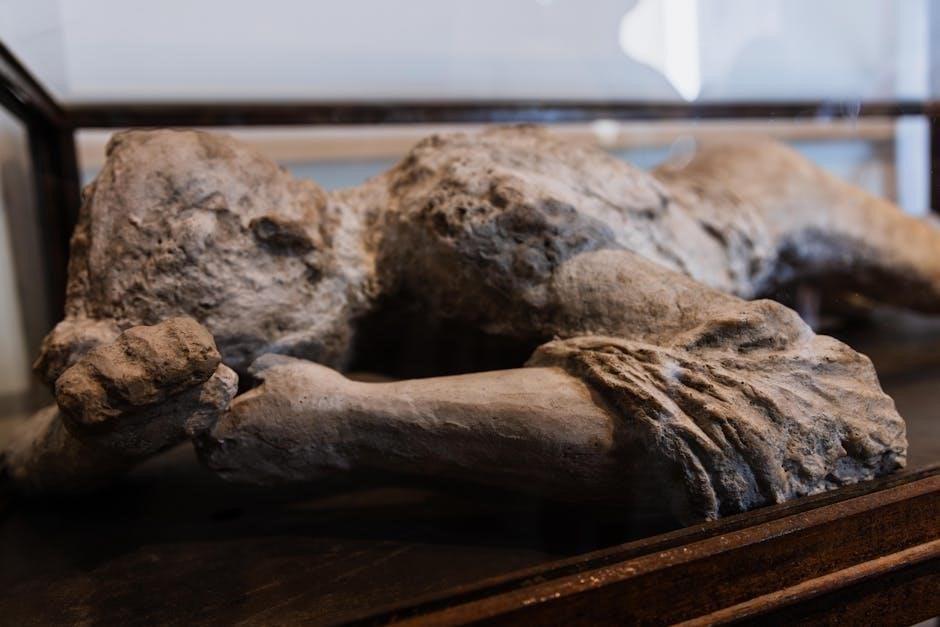
Bernini’s sculptures‚ such as Ecstasy of Saint Teresa‚ embody Baroque dynamism and theatricality.
Flemish Baroque painter Peter Paul Rubens favored opulent compositions and vibrant colors. Dutch Baroque art‚ however‚ diverged‚ focusing on genre scenes‚ portraits‚ and landscapes by artists like Rembrandt and Vermeer.
For the AP exam‚ focus on recognizing Baroque stylistic features – movement‚ ornamentation‚ and emotional intensity – and understanding how art served religious and political agendas.
V. Modern Art (1800 – 1970 CE)
Modern Art signifies a radical break from traditional styles‚ exploring new materials‚ forms‚ and concepts reflecting societal shifts and individual expression.
A. 19th-Century Art: Realism‚ Impressionism‚ Post-Impressionism
Realism‚ emerging mid-century‚ rejected Romanticism’s idealism‚ portraying everyday life with unflinching accuracy‚ exemplified by Gustave Courbet’s social commentary. Impressionism‚ arising in the 1860s‚ focused on capturing fleeting moments and the effects of light and color‚ as seen in Claude Monet’s landscapes.
Key Impressionist characteristics include visible brushstrokes‚ emphasis on light’s changing qualities‚ and outdoor painting (en plein air). Post-Impressionism‚ a reaction against Impressionism’s limitations‚ encompassed diverse styles. Paul Cézanne explored geometric forms and structure‚ while Vincent van Gogh utilized expressive brushwork and intense color to convey emotion.
Paul Gauguin sought primal expression through simplified forms and non-Western influences. These movements collectively paved the way for 20th-century abstraction‚ challenging traditional artistic conventions and prioritizing subjective experience. Understanding the historical context—industrialization‚ urbanization‚ and scientific advancements—is crucial for analyzing these styles.
B. Early 20th-Century Art: Fauvism‚ Expressionism‚ Cubism
Fauvism‚ meaning “wild beasts‚” exploded onto the scene around 1905‚ characterized by intense‚ non-naturalistic color and bold brushstrokes‚ as exemplified by Henri Matisse’s vibrant canvases. Simultaneously‚ Expressionism‚ particularly in Germany‚ aimed to convey inner emotional experiences through distorted forms and jarring colors‚ notably in Edvard Munch’s “The Scream.”
Cubism‚ pioneered by Pablo Picasso and Georges Braque‚ revolutionized representation by fracturing objects into geometric shapes and depicting them from multiple viewpoints simultaneously. Analytical Cubism (early phase) employed monochromatic palettes‚ while Synthetic Cubism (later phase) incorporated collage elements.
These movements rejected traditional perspective and representational accuracy‚ prioritizing subjective vision and formal experimentation. Understanding the influence of non-Western art‚ particularly African masks‚ on Cubism is vital. These radical shifts laid the groundwork for further abstraction and the diverse artistic explorations of the 20th century.
C. Surrealism and Abstract Expressionism
Surrealism‚ emerging in the 1920s‚ explored the realm of dreams‚ the unconscious‚ and irrationality‚ heavily influenced by Sigmund Freud’s psychoanalytic theories. Artists like Salvador Dalí and René Magritte created bizarre‚ dreamlike imagery‚ often employing juxtaposition and unexpected combinations. Automatism‚ a technique of spontaneous creation‚ was central to Surrealist practice.
Abstract Expressionism‚ dominant in post-World War II America‚ marked a shift towards large-scale‚ non-representational painting. Two main strands emerged: Action Painting (Jackson Pollock‚ Willem de Kooning) emphasized the physical act of painting‚ while Color Field Painting (Mark Rothko‚ Barnett Newman) focused on expansive areas of color to evoke emotional responses.
Both movements challenged traditional artistic conventions‚ prioritizing subjective experience and individual expression. Understanding the historical context – the trauma of war and the rise of existentialism – is crucial for interpreting these impactful styles.