
Guided writing is a focused, small-group teaching approach, resembling a mini-lesson, where students collaboratively practice writing with immediate teacher support and guidance.
It’s exploited by providing learners with necessary language, offering a structured path to improve writing skills and confidence, as demonstrated through sentence strip activities.
This method helps emergent writers label and struggling writers improve their leads, ultimately fostering a more effective and engaging writing process for all students.
What is Guided Writing?
Guided writing represents a dynamic instructional strategy where teachers work with small, homogenous groups of students who share similar writing needs. It’s essentially a temporary, targeted intervention, functioning as a mini-lesson focused on specific skills.
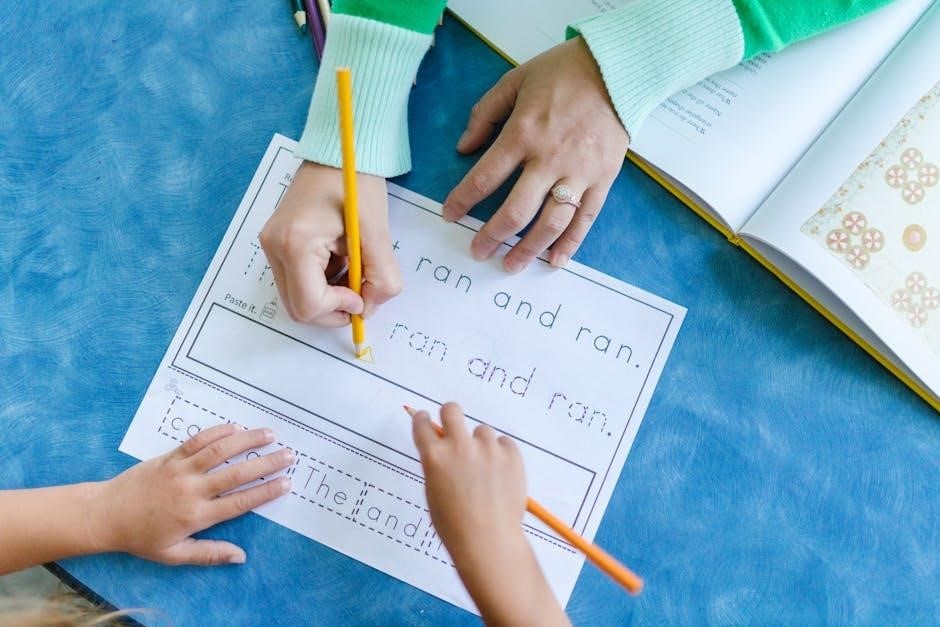
Unlike independent writing, it involves collaborative construction of text, with the teacher providing immediate feedback and scaffolding. Learners aren’t left to struggle alone; instead, they receive support to practice strategies, like sequencing sentences using strips.
This approach allows students to write with the teacher, building confidence and improving their ability to apply learned concepts in a supportive environment, ultimately enhancing their overall writing proficiency.
The Core Principles of Guided Writing
Guided writing centers around several key principles. Firstly, it’s collaborative – students and the teacher co-construct text, fostering a shared learning experience. Secondly, it’s focused, addressing specific writing needs identified through assessment.
Scaffolding is crucial; the teacher provides temporary support, gradually releasing responsibility to students. Providing learners with the necessary language, as opposed to expecting prior knowledge, is also vital.
Finally, it’s interactive, encouraging discussion and peer learning. Activities like sentence strip sequencing exemplify these principles, promoting active participation and skill development within a structured framework.
Benefits of Implementing Guided Writing
Guided writing boosts writing structure, enhances language skills, and builds student confidence through focused, small-group instruction and immediate feedback, supporting diverse learner needs effectively.
Improved Writing Structure
Guided writing significantly enhances a student’s ability to organize their thoughts and ideas into a coherent and logical written format. Through collaborative activities like sentence strip sequencing, learners actively practice structuring sentences and paragraphs.
This hands-on approach, coupled with teacher guidance, helps students understand the importance of a clear beginning, middle, and end. They learn to build cohesion within their writing, improving overall clarity and readability.
By working together and receiving immediate feedback, students internalize effective structural techniques, leading to more organized and impactful written work.
Enhanced Language Skills
Guided writing provides a supportive environment for students to expand their vocabulary and refine their grammatical accuracy. The approach often involves providing learners with specific language structures and prompts, enabling them to experiment with new words and phrases.
Collaborative sentence construction, a key technique, encourages students to learn from each other and internalize correct language usage. Teachers offer immediate feedback, correcting errors and reinforcing proper grammar.
This focused practice leads to noticeable improvements in students’ overall language proficiency and expressive writing abilities.
Increased Student Confidence
Guided writing fosters a safe and encouraging atmosphere where students feel comfortable taking risks and experimenting with their writing. The small-group setting reduces anxiety, allowing students to participate more actively and share their ideas freely.
Receiving immediate feedback from the teacher and peers builds self-assurance and helps students identify areas for improvement without feeling overwhelmed.
Success in collaborative tasks and mastering new writing strategies significantly boosts students’ confidence, motivating them to become more independent and enthusiastic writers.

Planning a Guided Writing Lesson
Planning involves assessing student needs, selecting appropriate texts, and defining clear learning objectives. These temporary, small-group lessons target specific writing strategies.
Effective lessons provide immediate guidance, helping students practice and improve their skills in a focused and supportive environment.
Assessing Student Needs
Prior to a guided writing lesson, a thorough assessment of student needs is crucial for effective instruction. This involves identifying common writing challenges within a small group.
Observe student work for patterns in areas like sentence structure, organization, or specific grammatical errors. Consider reviewing previous writing samples to pinpoint recurring difficulties.
Informal assessments, such as quick writes or conferencing, can provide valuable insights into individual student strengths and weaknesses. Understanding these needs allows for targeted instruction.
Focus on strategies students most need to practice, ensuring the guided lesson directly addresses those areas for maximum impact and improved writing outcomes.
Selecting Appropriate Texts
Choosing the right text is vital for a successful guided writing lesson. Texts should align with students’ reading levels and interests, fostering engagement and comprehension.
Consider texts that model the specific writing skills you aim to teach – for example, a narrative with strong descriptive language or an expository text with clear organization.
Utilize model text libraries offering varied examples and accompanying writing tips. Short, focused texts are often more manageable for guided practice, allowing for deeper analysis.
Ensure the text provides ample opportunities for students to apply the targeted writing strategies within a meaningful context, promoting skill development.
Defining Learning Objectives
Clearly defined learning objectives are crucial for focused guided writing lessons. Objectives should pinpoint the specific writing skills students will practice and improve upon.
Instead of broad goals like “improve writing,” focus on measurable outcomes, such as “students will construct complex sentences using coordinating conjunctions.”
Objectives should directly relate to the chosen text and the techniques employed, ensuring a cohesive learning experience. These temporary, small-group lessons target specific needs.
Well-defined objectives guide instruction and provide a clear benchmark for assessing student progress during and after the guided writing session.
Techniques and Activities for Guided Writing
Effective techniques include sentence strip sequencing, collaborative sentence construction, and model text analysis, providing targeted support;
Writing tips, prompts, and small group instruction further enhance the learning process, fostering skill development and confidence.
Sentence Strip Sequencing
Sentence strip sequencing is a dynamic guided writing activity where a story or passage is fragmented into individual sentences, written on separate strips.
These strips are then distributed amongst learners, who work in pairs to reconstruct the original text, focusing on logical order and coherence.
This hands-on approach actively engages students in understanding narrative structure, improving comprehension, and reinforcing sentence-level understanding.
It’s a powerful tool for building foundational writing skills, particularly for emergent writers, and promoting collaborative learning within the classroom environment.
The activity encourages discussion and justification of choices, solidifying understanding of text organization.
Collaborative Sentence Construction
Collaborative sentence construction is a key guided writing technique where students, working together in small groups, build sentences collectively with teacher facilitation.
The teacher might provide a sentence starter, a key word, or a picture prompt, and students contribute words and phrases to complete the thought.
This process fosters shared responsibility for language choices, encourages peer learning, and models effective sentence formation.
It’s particularly beneficial for struggling writers, providing scaffolding and support as they develop their grammatical and vocabulary skills.
The collaborative aspect builds confidence and reduces anxiety around writing.
Model Text Analysis
Model text analysis within guided writing involves carefully examining high-quality examples of the target writing genre with students.
Teachers guide students to identify key features like sentence structure, vocabulary choices, and organizational patterns present in the model.
Interactive exercises and discussions help students deconstruct the text, understanding why certain writing techniques are effective.
This isn’t about imitation, but about internalizing successful writing strategies.
Resources include model text libraries, offering varied examples and accompanying writing tips for focused learning.
Providing Writing Tips and Prompts
Effective guided writing relies on strategically offering writing tips and prompts to scaffold student learning.
These prompts aren’t directives, but gentle nudges to encourage specific techniques – like using descriptive language or varying sentence structure.
Tips might focus on improving leads, enhancing cohesion, or expanding vocabulary.
The learning materials often include these tips alongside model texts, creating a direct connection between instruction and practice.
Prompts should be tailored to the group’s needs, fostering independence while providing necessary support.
Small Group Instruction
Guided writing thrives within the framework of small group instruction, allowing for focused attention and personalized support.
These temporary groups are formed based on shared writing needs, enabling the teacher to target specific strategies.
The teacher acts as a facilitator, guiding students through the writing process with immediate feedback and scaffolding.
This intimate setting encourages collaboration and peer learning, fostering a safe space for experimentation and risk-taking.
It’s a mini-lesson approach, delivering concentrated instruction to those who benefit most.

Adapting Guided Writing for Different Levels
Guided writing adapts to diverse needs: emergent writers focus on labeling, struggling writers improve leads, and advanced writers refine descriptive language and stylistic choices.
Emergent Writers: Labeling and Basic Sentences
Guided writing for emergent writers centers on building foundational skills. Activities begin with simple labeling tasks, connecting words directly to visual representations, fostering vocabulary development and print awareness.
Progressing from labeling, the focus shifts to constructing basic sentences, often utilizing sentence frames or shared writing experiences. Teachers provide significant scaffolding, modeling correct sentence structure and offering phonetic support.
These initial steps prioritize confidence-building and establishing a positive association with writing, laying the groundwork for more complex writing tasks in the future. Success is measured by participation and effort.
Struggling Writers: Improving Leads and Cohesion
Guided writing with struggling writers often targets specific areas of weakness, such as crafting engaging leads and establishing clear cohesion within their writing. Lessons focus on modeling effective opening sentences and brainstorming captivating introductions.
Teachers provide targeted support in using transition words and phrases to connect ideas logically, improving the flow and readability of their work. Collaborative sentence construction and shared editing are key components.
The goal is to equip these students with strategies to overcome common hurdles, fostering independence and a stronger sense of control over their writing process.
Advanced Writers: Descriptive Language and Style
Guided writing for advanced students shifts focus towards refining stylistic choices and expanding descriptive capabilities. Activities encourage experimentation with vivid vocabulary, figurative language, and varied sentence structures.
Model text analysis becomes crucial, dissecting how skilled authors achieve specific effects through language. Teachers facilitate discussions on nuance, tone, and the impact of word choice.
The aim isn’t simply correctness, but artistry – helping students develop a unique voice and confidently manipulate language to create compelling and sophisticated writing.

The Role of the Teacher in Guided Writing
The teacher facilitates discussion, provides immediate feedback, and expertly scaffolds student learning during these temporary, small-group lessons, guiding practice and strategy development.
Facilitating Discussion
Facilitating discussion within a guided writing session is paramount for unlocking student understanding and collaborative learning. The teacher’s role isn’t to lecture, but to pose thoughtful questions that prompt students to articulate their ideas, analyze model texts, and consider alternative phrasing.
Encourage students to share their reasoning, respectfully challenge each other’s suggestions, and build upon existing ideas. This interactive exchange fosters a deeper comprehension of writing techniques and strengthens their ability to apply them independently;
Effective discussion also involves modeling appropriate language for constructive feedback and guiding students to focus on specific aspects of writing, like sentence structure or word choice.
Providing Immediate Feedback
Immediate feedback is a cornerstone of guided writing, differentiating it from other approaches. Unlike delayed grading, real-time feedback allows teachers to address misconceptions as they arise during the writing process. This targeted intervention prevents students from reinforcing errors and accelerates their learning.
Feedback should be specific, focusing on observable behaviors rather than vague judgments. For example, instead of saying “This is unclear,” suggest “Adding a transition word here would help connect your ideas.”
This responsive approach, coupled with scaffolding, ensures students receive the support they need to refine their writing skills effectively.
Scaffolding Student Learning
Scaffolding in guided writing involves providing temporary support structures to help students accomplish tasks they couldn’t achieve independently. This support is gradually removed as students gain proficiency, fostering autonomy. Examples include sentence starters, graphic organizers, and model texts.
Teachers act as facilitators, offering prompts, asking guiding questions, and modeling effective writing strategies. The goal isn’t to do the writing for students, but to equip them with the tools and confidence to succeed.
Effective scaffolding ensures all learners can participate and progress at their own pace.

Guided Writing vs. Other Writing Approaches
Guided writing differs from independent writing by offering collaborative support, and contrasts with direct instruction through its interactive, practice-focused nature, building skills together.
Guided Writing vs. Independent Writing
Guided writing and independent writing represent distinct stages in a student’s writing development. While independent writing allows students to apply learned skills autonomously, guided writing provides crucial scaffolding and support.
In guided writing, the teacher actively facilitates the process within a small group, offering immediate feedback and collaboratively constructing text. This contrasts sharply with independent practice, where students work individually.
Essentially, guided writing bridges the gap between teacher modeling and full autonomy, ensuring students have the necessary tools and confidence before tackling writing tasks independently. It’s a temporary, focused intervention.
Guided Writing vs. Direct Instruction
Guided writing differs significantly from traditional direct instruction. Direct instruction typically involves the teacher explicitly explaining a concept and then students practicing independently. Conversely, guided writing prioritizes collaborative learning and immediate support.
Instead of solely lecturing, the teacher in guided writing facilitates discussion and actively participates in the writing process with students, offering tailored feedback in real-time.
This approach allows for dynamic adjustments based on student needs, fostering a deeper understanding and skill development than passive reception of information. It’s a temporary, small-group intervention focused on specific strategies.
Examples of Guided Writing Tasks
Guided writing tasks include narrative prompts utilizing stories or jokes, expository prompts requiring explanation, and persuasive prompts demanding argumentation, all supporting structured practice.
Sample lessons demonstrate tasks for labeling, improving leads, and applying descriptive language, catering to diverse student levels and needs.
Narrative Writing Prompts
Narrative writing prompts within a guided writing framework often begin with a story starter or a captivating “what if” scenario, encouraging imaginative storytelling.
For example, students might collaboratively build a tale around a lost object, a mysterious encounter, or a journey to an unknown place, focusing on plot development.
Teachers can provide sentence stems like, “Suddenly, the door creaked open…” or “The character felt a strange sensation…” to scaffold the narrative process.
Using jokes as prompts, as suggested, can inject humor and creativity, while emphasizing character development, setting descriptions, and a clear sequence of events.
These prompts facilitate shared writing experiences, allowing students to learn from each other and refine their narrative skills under guidance.
Expository Writing Prompts
Expository writing prompts in guided writing focus on explaining a topic, process, or concept clearly and concisely, demanding factual accuracy and logical organization.
Prompts might ask students to describe how something works, explain the causes of an event, or compare and contrast two related ideas, fostering analytical thinking.
Teachers can offer model texts with clear structures and writing tips, guiding students in crafting informative paragraphs with supporting details and evidence.
Collaborative sentence construction can help students formulate topic sentences and develop coherent explanations, ensuring clarity and understanding.
These prompts build research and communication skills, essential for academic success and effective information sharing.
Persuasive Writing Prompts
Persuasive writing prompts within guided writing challenge students to articulate a clear stance on an issue and support it with compelling reasons and evidence.
Prompts might ask students to argue for or against a specific policy, convince readers of a particular viewpoint, or propose a solution to a problem.
Teachers can model persuasive techniques, like using rhetorical questions and appealing to emotions, guiding students in crafting impactful arguments.
Analyzing model texts demonstrating strong persuasive writing helps students understand effective strategies for influencing an audience.
These prompts cultivate critical thinking and the ability to construct well-reasoned arguments.

Assessing Guided Writing Outcomes
Assessment involves observational checklists, student self-assessment, and peer review, providing insights into progress and areas needing support during guided writing sessions.
These methods offer a comprehensive view of student learning and inform future instructional decisions.
Observational Checklists
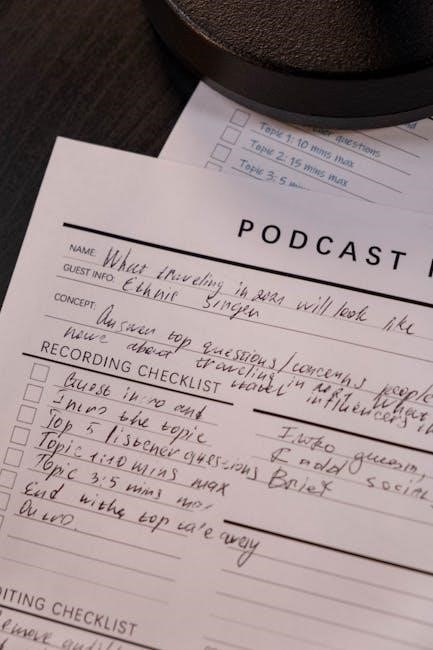
Observational checklists are invaluable tools during guided writing, allowing teachers to systematically track student performance on specific skills in real-time.
These checklists focus on key areas like sentence structure, idea development, and use of descriptive language, providing a focused lens for assessment.
Teachers can note whether students are successfully applying taught strategies, such as sequencing sentences or incorporating writing tips.
This immediate feedback informs targeted small-group instruction and ensures students receive the support they need to progress.
Checklists promote objective evaluation and highlight individual student needs within the guided writing context.
Student Self-Assessment
Student self-assessment is a crucial component of guided writing, empowering learners to reflect on their own progress and identify areas for improvement.
Simple prompts can guide this reflection, asking students to evaluate their use of specific skills, like sentence sequencing or descriptive language.
This process fosters metacognition – thinking about one’s thinking – and encourages ownership of learning.
Self-assessment complements teacher observation, providing a holistic view of student understanding and application of guided writing strategies.
It builds confidence and promotes a growth mindset, essential for continued writing development.
Peer Review Activities
Peer review, integrated within guided writing, offers valuable learning opportunities beyond self-reflection. Students analyze each other’s work using focused criteria, established during the lesson.
This collaborative process reinforces understanding of writing concepts and provides constructive feedback in a supportive environment.
Activities might involve identifying strong sentences, suggesting improvements to cohesion, or checking for specific grammatical elements.
Carefully structured prompts ensure feedback is targeted and helpful, fostering a sense of shared responsibility for learning.
Peer review enhances critical thinking and communication skills alongside writing proficiency.

Resources for Guided Writing
Numerous online tools and curated model text libraries support guided writing implementation. These resources provide writing tips, interactive exercises, and diverse examples for learners.
Online Writing Tools
A wealth of digital resources can significantly enhance guided writing lessons. Interactive platforms offer sentence building exercises, grammar checks, and vocabulary support, catering to diverse learning needs.
Websites provide pre-written sentence strips for sequencing activities, streamlining lesson preparation. Digital graphic organizers assist students in structuring their thoughts before writing, promoting clarity and cohesion.
Furthermore, collaborative document editing tools facilitate real-time peer feedback and teacher monitoring during small group sessions. These tools empower students and teachers alike, fostering a dynamic learning environment.
Access to these resources promotes engagement and allows for personalized instruction, maximizing the benefits of guided writing.
Model Text Libraries
Curated collections of high-quality texts are invaluable for guided writing. These libraries should encompass diverse genres and writing styles, offering students clear examples of effective writing techniques.
Access to model texts allows for detailed analysis of sentence structure, vocabulary choices, and organizational patterns. Teachers can use these texts to demonstrate specific writing skills, like descriptive language or persuasive arguments.
Organizing materials by level ensures appropriate challenge and support. Interactive exercises accompanying the texts, like identifying key features, deepen comprehension and facilitate learning.
Such resources empower students to emulate successful writing strategies in their own work.

The Power of Guided Writing
Guided writing emerges as a potent pedagogical tool, bridging the gap between independent practice and direct instruction. It fosters a supportive environment where students collaboratively construct meaning and refine their writing skills.
By providing targeted support and scaffolding, teachers empower students to overcome challenges and build confidence. This approach isn’t merely about completing tasks; it’s about developing lifelong writing habits.
Ultimately, guided writing unlocks students’ potential, enabling them to express themselves effectively and communicate with clarity and purpose.