
Tour du Mont Blanc Self-Guided: A Comprehensive Plan
Embark on an unforgettable 170-kilometer journey! This guide details planning a self-supported trek around Mont Blanc, exploring France, Italy, and Switzerland’s stunning landscapes.
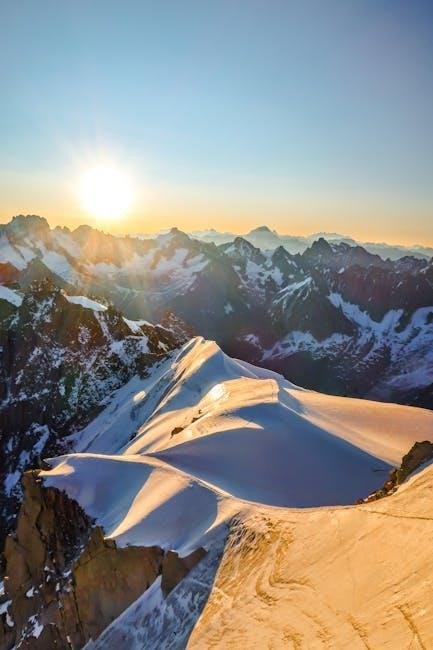
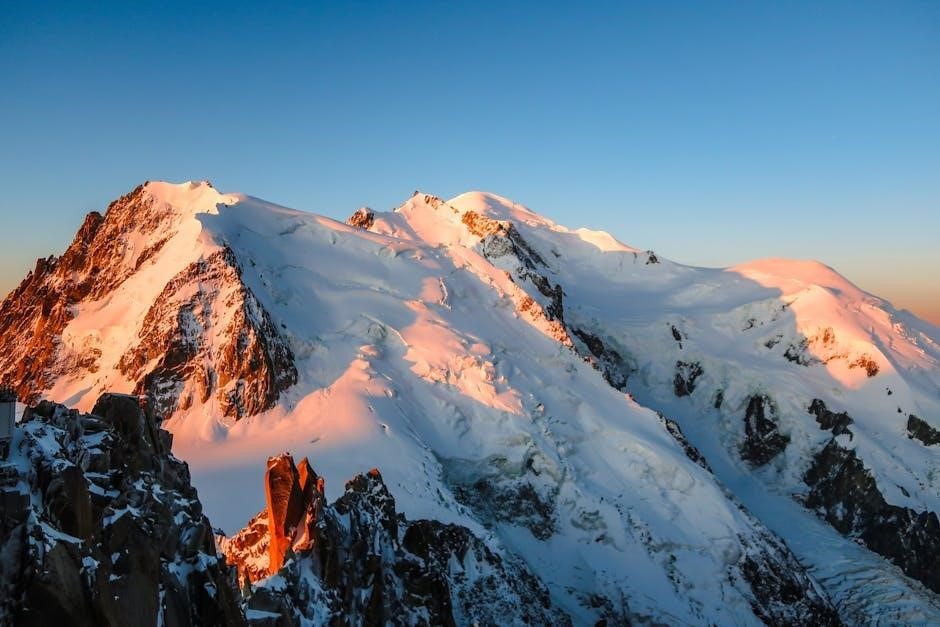
The Tour du Mont Blanc (TMB) is arguably Europe’s most iconic long-distance hiking trail, circling the majestic Mont Blanc massif. This incredible trek traverses three countries – France, Italy, and Switzerland – offering a diverse and breathtaking experience for hikers of varying levels.
Typically completed over 11 to 14 days, the TMB presents a challenging yet rewarding adventure. It’s a journey through alpine meadows, rugged mountain passes, and charming villages, immersing you in the heart of the Alps. Whether you’re an experienced trekker or a determined beginner, the TMB promises unforgettable views and a profound connection with nature.
This comprehensive plan focuses on undertaking the TMB self-guided, empowering you to explore at your own pace and create a truly personalized adventure.
Why Choose a Self-Guided Tour?
Opting for a self-guided Tour du Mont Blanc offers unparalleled freedom and flexibility. Unlike organized tours with fixed schedules, you dictate your pace, choosing where to linger and explore. This allows for spontaneous detours to hidden gems and a more immersive experience in the local culture.
Self-guided tours also tend to be more budget-friendly, as you avoid the premium charged by tour operators. You have complete control over accommodation choices, from rustic refuges to comfortable hotels.
For the independent and adventurous hiker, a self-guided TMB is the ultimate challenge and reward, fostering a deeper sense of accomplishment and connection with the mountains.
TMB Overview: Route and Distance
The Tour du Mont Blanc (TMB) is a classic 170-kilometer (approximately 106 miles) circuit encircling the Mont Blanc massif. The trail traverses through three countries: France, Italy, and Switzerland, offering diverse landscapes and cultural experiences.
Typically completed in 11-14 days, the route gains around 10,000 meters (32,800 feet) of elevation, presenting a significant physical challenge. The path combines well-maintained trails, alpine passes, and charming village sections.
The TMB isn’t a single, defined path, but rather a network of trails allowing for variations. Expect varied terrain, from lush valleys to rocky mountain slopes, making it a rewarding adventure for experienced hikers.
Best Time to Hike the Tour du Mont Blanc
The optimal window for hiking the Tour du Mont Blanc is typically from mid-June to mid-September. This period offers the most favorable weather conditions, with warmer temperatures and reduced snow cover at higher altitudes.
July and August are the warmest months, but also the busiest, meaning refuges and trails can be crowded. June and September provide a good balance of pleasant weather and fewer hikers.
Be prepared for variable conditions, even during peak season. Snow can linger on passes into July, and sudden storms are possible. Checking weather forecasts before and during your trek is crucial for a safe and enjoyable experience.
Physical Fitness Preparation
The Tour du Mont Blanc is a demanding trek requiring a good level of physical fitness. Prior training is essential for enjoyment and safety. Focus on building cardiovascular endurance through activities like hiking, running, and cycling;
Incorporate strength training to prepare your legs, core, and back for carrying a backpack over varied terrain. Practice hiking with a weighted pack, gradually increasing the weight and distance.
Regular hill work is crucial, simulating the ascents and descents of the TMB. Aim for several long hikes before your trip, ideally including back-to-back days to build stamina.
Essential Gear Checklist
Packing strategically is vital for a comfortable TMB experience. Prioritize lightweight, durable gear. A well-fitted backpack (50-70 liters) is fundamental, alongside waterproof hiking boots broken-in before your trek. Moisture-wicking socks are crucial to prevent blisters.
Layered clothing is key – base layers, insulating mid-layers (fleece or down), and a waterproof/windproof outer shell. Don’t forget a hat, gloves, and sunglasses. Essential extras include a headlamp, trekking poles, a first-aid kit, and a reusable water bottle.
Backpack Selection & Size
Choosing the right backpack is paramount for comfort. A capacity of 50-70 liters generally suits the TMB, accommodating multi-day supplies. Prioritize a pack with a supportive hip belt and adjustable torso length for a customized fit.
Consider weight distribution and accessibility of compartments. Look for features like external attachment points for trekking poles and a rain cover. Test the pack with weight before your trip! Lightweight materials are beneficial, but durability is essential for rugged terrain. Ensure a snug, balanced fit to prevent strain.
Hiking Boots & Socks
Invest in well-broken-in hiking boots! Sturdy, waterproof boots with ankle support are crucial for the TMB’s varied terrain. Prioritize comfort and a secure fit to prevent blisters. Spend time breaking them in on varied trails before your trek.
Pair your boots with quality hiking socks. Merino wool or synthetic blends are excellent choices, offering moisture-wicking properties and cushioning. Consider liner socks to further reduce friction. Carry extra socks to change during the day, keeping your feet dry and comfortable. Proper foot care is vital for enjoying the trail!
Clothing Layers for Variable Weather
Prepare for rapidly changing mountain conditions! The TMB experiences diverse weather, even in summer. Layering is essential for staying comfortable. Start with a moisture-wicking base layer, add an insulating mid-layer (fleece or down), and finish with a waterproof and windproof outer shell.
Pack versatile items like a lightweight down jacket, hiking pants (convertible are useful), and a warm hat and gloves. Don’t forget sun protection – a hat, sunglasses, and sunscreen are vital. Be prepared for rain, sun, and cool temperatures, potentially all in one day!
Accommodation Options
Choosing where to stay shapes your TMB experience! Three primary options exist: refuges (mountain huts), offering basic but sociable lodging; gîtes (rural accommodation), providing more privacy and often kitchen facilities; and hotels & B&Bs in villages, for added comfort and amenities.
Refuges require booking well in advance, especially during peak season. Gîtes are a good compromise, while village stays necessitate more planning for transport. Consider a mix to balance cost, comfort, and the authentic mountain experience. Pre-booking is highly recommended for all options, particularly for a self-guided tour.
Refuges (Mountain Huts)
Refuges are the heart of the TMB experience! These mountain huts offer dormitory-style accommodation, providing a social and convenient base for hikers. Expect basic facilities – bunk beds, shared bathrooms, and communal dining areas. Reservations are absolutely essential, often months in advance, especially during July and August.
Half-board (dinner and breakfast) is typically included, simplifying meal planning. Refuges offer a unique atmosphere, fostering camaraderie among hikers. Be prepared for limited privacy and potential noise. They represent a truly immersive way to experience the mountains, but booking early is paramount!
Gîtes (Rural Accommodation)
Gîtes offer a charming alternative to refuges and hotels! These rural accommodations, common in France and Italy, provide more privacy and often self-catering facilities. Expect simple, comfortable rooms, sometimes with shared bathrooms. Gîtes are ideal for those seeking a quieter experience and the flexibility to prepare their own meals.
They are frequently located in picturesque villages, offering a glimpse into local life; Booking in advance is recommended, though generally less critical than for refuges. Gîtes can be a cost-effective option, particularly for smaller groups or families. They provide a delightful blend of comfort and authenticity along the TMB route.
Hotels & B&Bs in Villages
Villages along the Tour du Mont Blanc offer a range of hotels and bed & breakfasts! These provide the highest level of comfort and convenience, often including private bathrooms, restaurants, and other amenities. They are a great option for those prioritizing rest and relaxation after long hiking days. Expect to pay a premium compared to refuges or gîtes.
Booking well in advance is crucial, especially during peak season. Hotels and B&Bs allow for a more flexible itinerary, as you aren’t tied to refuge meal times or availability. They offer a chance to immerse yourself in local culture and enjoy village life. Consider these for occasional splurges!
Planning Your Itinerary
Careful itinerary planning is essential for a successful Tour du Mont Blanc! Most hikers complete the circuit in 11-14 days, averaging between 13-16 kilometers (8-10 miles) per stage. Popular starting points include Chamonix (France), Les Houches (France), and Courmayeur (Italy). Each offers unique logistical advantages.
Consider your fitness level and desired pace when determining daily distances. Route variations exist, allowing you to customize the trek. Explore alternative paths for challenging ascents or quieter trails! Pre-booking accommodation is highly recommended, especially during peak season, to secure your preferred lodging along the route.
Typical Stage Lengths (11-14 Days)
A standard Tour du Mont Blanc itinerary spans 11 to 14 days, with daily stages averaging 13 to 16 kilometers (8 to 10 miles). However, distances can vary significantly based on elevation gain and terrain difficulty. Shorter days allow for more leisurely exploration and rest, while longer days cater to experienced hikers seeking a faster pace.
Expect some stages to be considerably more challenging, involving steep ascents and descents. Plan for approximately 6-8 hours of hiking per day, factoring in breaks for meals and enjoying the scenery. Flexibility is key; adjust your itinerary as needed based on weather conditions and personal energy levels.
Popular Starting Points (Chamonix, Les Houches, Courmayeur)
Chamonix, France, is the most common launchpad for the TMB, offering excellent transport links and a vibrant atmosphere. Les Houches, a quieter village near Chamonix, provides a gentler start with less crowded trails. Courmayeur, Italy, is another favored option, particularly for those flying into Turin.
Each starting point influences the initial direction of the circuit. Chamonix typically leads clockwise, while Courmayeur often begins counter-clockwise. Consider accessibility, accommodation options, and personal preference when selecting your starting location. Regardless of your choice, ensure convenient transportation to and from the trailhead;
Route Variations & Alternatives
The classic TMB offers several variations to tailor the trek to your fitness level and preferences. The Grand Balconies route provides stunning views but can be exposed. The Fenêtre d’Arpette is a challenging high-altitude pass, offering a more remote experience; Alternatively, the Bonhomme route avoids the Fenêtre, providing a less strenuous option.
Shortcuts and extensions are also possible, allowing you to customize the duration and difficulty. Consider adding side trips to nearby peaks or valleys. Always research conditions and assess your capabilities before attempting alternative routes. Flexibility is key for a successful self-guided adventure!
Navigation & Mapping
Reliable navigation is crucial for a self-guided Tour du Mont Blanc. Detailed topographic maps, such as those from IGN or Kompass, are essential, alongside a compass and the ability to use them. Guidebooks provide valuable route descriptions and elevation profiles.
GPS devices and smartphone apps (like Gaia GPS or ViewRanger) offer added security, but shouldn’t replace traditional methods. Download offline maps before your trip, as cell service is limited. Familiarize yourself with map reading and GPS usage before setting off. Carry extra batteries or a power bank for electronic devices.
Using Maps & Guidebooks
Detailed topographic maps are fundamental for TMB navigation. Look for maps with a scale of 1:25,000 or 1:50,000, covering the specific sections you’ll be hiking. IGN (France), Kompass (general Alpine region), and local providers offer excellent options. Learn to interpret contour lines, identify landmarks, and understand map symbols.
Complement maps with a dedicated guidebook. These provide route descriptions, elevation profiles, refuge information, and points of interest. Cicerone Press and Sunflower Books are reputable publishers. Cross-reference map information with guidebook details to ensure accuracy and enhance your understanding of the terrain.
GPS Devices & Apps
GPS devices and smartphone apps are valuable supplements, not replacements, for traditional navigation. Download offline maps before your trip, as cell service is unreliable in the mountains. Gaia GPS, AllTrails, and Komoot are popular choices, offering TMB routes and trail information. Familiarize yourself with the app’s features before departing.
Carry a fully charged power bank to extend your device’s battery life. Pre-download GPX files of the TMB route for use in your GPS device. Always verify GPS data with your map and compass, as technology can fail. Use GPS to confirm your location and track your progress, but rely on traditional skills for primary navigation.
Food & Water on the Trail
Refuges offer meals, but they’re expensive and require reservations. Pack high-energy snacks like nuts, dried fruit, and energy bars. Consider dehydrated meals to reduce weight. Resupply points are available in villages along the route, but options can be limited. Plan your food purchases accordingly.
Water sources are generally plentiful, but treat all water before drinking. Use a water filter or purification tablets to eliminate bacteria and viruses. Carry enough water between sources, especially during warmer months. Refill at streams, fountains, and refuges. Staying hydrated is crucial for maintaining energy levels and preventing altitude sickness.
Budgeting for a Self-Guided TMB
A self-guided TMB can range from €80-€150 per day, depending on your choices. Accommodation is a major cost; refuges (€60-€80/night), gîtes (€40-€60/night), and hotels (€100+/night) vary significantly. Food costs depend on self-catering versus refuge meals (€20-€40/day). Transportation (flights, buses, transfers) adds to the expense.
Factor in map/guidebook costs, potential GPS device rental, and insurance. Allow a buffer for unexpected expenses like gear repairs or emergency situations. Pre-booking accommodation can sometimes secure better rates. Careful planning and prioritizing can help you manage costs effectively for this incredible adventure.
Booking Accommodation in Advance
Advance booking is crucial, especially during peak season (July-August)! Refuges and gîtes fill up months ahead. Online reservation systems are available for many accommodations, but some require phone calls. Consider booking a mix – refuges for mountain stages, gîtes/hotels in villages. Flexibility is key; have backup options in case your first choice is unavailable;
Websites specializing in TMB accommodation can simplify the process. Confirm booking details carefully, including dates, bed type, and meal options. Be aware of cancellation policies. Early booking secures your preferred locations and avoids last-minute stress, ensuring a comfortable trek.
Transportation to and from the Trail
Chamonix is the most common starting/ending point, easily accessible by train from Geneva Airport (approx. 3 hours). Other starting points like Les Houches or Courmayeur require more complex travel arrangements. Consider bus connections between trailheads and transport hubs. Pre-booking train tickets, especially during peak season, is highly recommended.
Airport transfers are available, but can be expensive. Local buses offer a cost-effective alternative. Research transportation options thoroughly before your trip. Factor in travel time when planning your itinerary. Ensure your luggage is manageable for public transport.
Safety Considerations
Mountain weather is unpredictable; be prepared for rapid changes. Check forecasts daily and carry appropriate clothing. Be aware of potential hazards like steep descents, rocky terrain, and river crossings. Inform someone of your itinerary and expected return date. Carry a first-aid kit and know how to use it.
Learn emergency procedures and have contact information readily available. Understand altitude sickness symptoms and prevention. Stay on marked trails and avoid shortcuts. Be cautious of wildlife and maintain a safe distance. Consider a personal locator beacon (PLB) for remote areas.
Mountain Weather & Hazards
Alpine weather shifts rapidly, presenting significant challenges. Expect sunshine, rain, and even snow in a single day, regardless of season. Fog can reduce visibility dramatically, increasing navigation difficulty. Thunderstorms are common, especially in the afternoons – seek shelter immediately. Be aware of potential rockfall on steep trails.
Glacier crossings require specialized equipment and expertise; avoid them without proper guidance. River levels can rise quickly due to rainfall, making crossings dangerous. Hypothermia is a serious risk even in summer; dress in layers. Sun exposure is intense at altitude – use sunscreen, hats, and sunglasses.
Emergency Procedures & Contacts
Familiarize yourself with local emergency numbers before starting your trek. In France, dial 112 for all emergencies. Italy uses 112 as well, while Switzerland’s number is 144 for medical emergencies and 112 generally. Carry a fully charged mobile phone, but coverage is unreliable in remote areas.
Know how to activate your insurance and have policy details readily available. Inform someone of your itinerary and check in regularly. Learn basic first aid and carry a comprehensive kit. If lost, stay put and signal for help. Refuges can assist in contacting emergency services.
Language & Communication
The Tour du Mont Blanc traverses three countries, each with its primary language: French in France, Italian in Italy, and German/French in Switzerland. While English is spoken in tourist areas, learning basic phrases in each language is highly recommended for interacting with locals and refuge staff.
Download a translation app on your smartphone, but remember coverage is limited. Carry a phrasebook as a backup. Communication can be challenging in remote areas; refuges often have limited Wi-Fi. Be prepared for potential language barriers and practice patience and clear communication.
Cultural Etiquette in the Regions
Respect local customs as the TMB passes through diverse cultures. In France, a polite “Bonjour” upon entering shops is expected. Italy values a relaxed pace; avoid rushing interactions. Switzerland emphasizes punctuality and directness. Refuges are communal spaces; be mindful of noise levels and shared facilities.
Dress modestly when visiting villages and churches. Tipping isn’t mandatory but appreciated for good service. Learn a few basic greetings in each language. Be aware of local traditions and show respect for the environment and communities you encounter along the trail.
Dealing with Blisters & Common Hiking Injuries
Blisters are common on the TMB; prevention is key with well-fitting boots and moisture-wicking socks. Carry blister treatment – moleskin, tape, and antiseptic wipes. Address hotspots immediately before they develop into blisters. Ankle sprains and knee pain are also frequent. Use trekking poles for stability and reduce joint stress.
Pack a basic first-aid kit including pain relievers, bandages, and antiseptic. Know your limits and don’t push through significant pain. Seek help if an injury worsens or doesn’t improve. Rest and elevation are crucial for recovery on the trail.
Packing Light: Minimizing Weight
Weight is critical on the TMB; aim for a base weight of under 10kg (22lbs). Choose lightweight gear – tent, sleeping bag, and cooking system. Multi-use items are invaluable; a buff can be a scarf, headband, or face covering. Clothing should be layered, minimizing redundancy. Carefully consider food choices, opting for calorie-dense options.
Leave unnecessary items behind – bulky books, extra toiletries. Repackage food to reduce packaging weight. Share gear with hiking partners when possible. Every ounce counts, impacting your enjoyment and reducing strain on your body throughout the challenging trek.
Responsible Hiking & Leave No Trace Principles
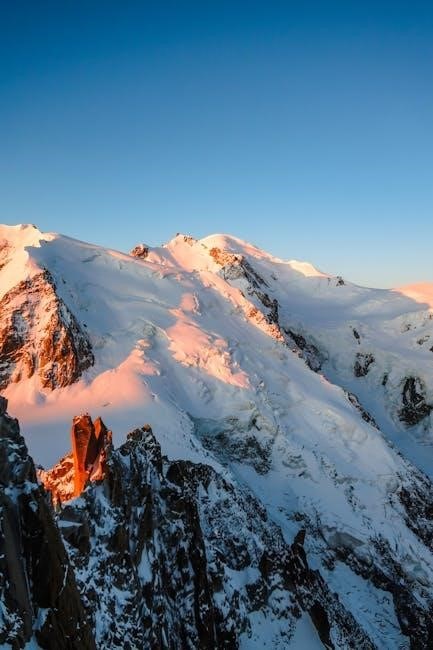
Protect this pristine environment by adhering to Leave No Trace principles. Pack out everything you pack in, including food wrappers and toilet paper. Stay on marked trails to avoid erosion and protect fragile vegetation. Minimize campfire impacts – consider using a stove instead. Respect wildlife; observe from a distance and never feed animals.
Be considerate of other hikers and local communities. Properly dispose of waste, using designated facilities when available. Leave natural objects as you find them. Support local businesses and economies. Preserve the beauty of the TMB for future generations to enjoy.
Wildlife Encounters & Safety
The TMB region is home to diverse wildlife, including ibex, chamois, marmots, and birds of prey. Maintain a safe distance and never approach or feed animals. Store food securely to avoid attracting wildlife to campsites or refuges. Be aware of potential hazards like wild boar, though encounters are rare.
Carry a whistle and know how to use it to signal for help. Report any aggressive animal behavior to local authorities. Be particularly cautious at dawn and dusk when animals are most active. Respect their habitat and observe them from afar, appreciating their natural beauty without interference.
Training Hikes Before the TMB
Adequate preparation is crucial for enjoying the TMB. Begin training several months in advance with progressively longer hikes. Focus on building endurance with back-to-back hiking days, simulating consecutive stages. Incorporate elevation gain to prepare for the mountainous terrain. Practice hiking with a weighted pack, gradually increasing the weight to match your anticipated load.
Include hill repeats and stair climbing in your routine. Strengthen core and leg muscles through targeted exercises. Break in your hiking boots thoroughly to prevent blisters. Test your gear on training hikes to identify any issues. Prioritize consistency over intensity, building a solid foundation of fitness.
Insurance for Hiking in the Alps
Comprehensive travel insurance is essential for a safe TMB experience. Ensure your policy covers hiking at altitude, specifically including activities like trekking and mountaineering, even if not technical climbing. Verify coverage for emergency evacuation, including helicopter rescue, which can be costly in the Alps. Check for medical expense coverage, including repatriation if needed.
Look for policies that cover trip cancellation or interruption due to unforeseen circumstances. Consider supplemental insurance if your existing policy has limitations. Read the fine print carefully to understand exclusions and limitations. Inform your insurer about your planned itinerary and activities.
Resources for Planning (Websites & Apps)
Numerous online resources aid TMB planning. Walks Worldwide offers itinerary inspiration, while various blogs detail personal experiences. AllTrails provides trail maps and user reviews, useful for route variations. Komoot is excellent for navigation and discovering hidden gems. Visorando specializes in hiking routes, including the TMB.
The official TMB website (tourdumontblanc.com) is a central hub. Refuge booking platforms simplify accommodation arrangements. Local tourism websites offer information on transportation and village amenities. Utilize GPS apps like Gaia GPS or Maps.me for offline mapping. Don’t forget forums for community advice!
Post-Hike Recovery & Reflection
Post-TMB recovery is crucial. Prioritize rest and rehydration after days on the trail. Gentle stretching and foam rolling can alleviate muscle soreness; Replenish energy stores with nutritious meals. Allow ample time for your body to adapt – don’t rush back into intense activity!
Reflect on your accomplishment. Journaling about your experiences enhances memory and provides valuable insights. Share photos and stories with fellow hikers. Consider what you learned about yourself and the mountains. Plan your next adventure! The TMB is a transformative journey; savor the memories and lessons learned.