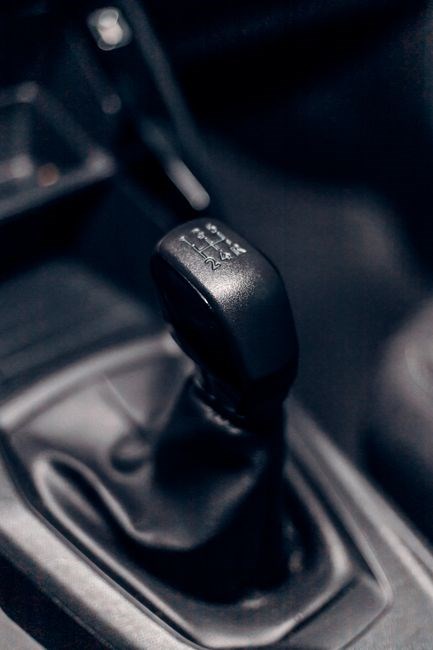
Availability of Manual Transmission Cars in Major Rental Agencies
Manuals are scarce in mainstream fleets; only select branches of Hertz, Avis, and Budget offer them, often in compact or SUV categories. Availability varies by location, with higher odds in European cities and tourist hubs.!!!!!!
North American Market Overview
In the United States and Canada, the prevalence of manual‑transmission vehicles in rental fleets has diminished sharply over the past decade. Major carriers such as Hertz, Avis, Enterprise, and Budget have largely transitioned to automatic‑only lineups, citing lower maintenance costs, higher demand for automatics, and simplified fleet management. As a result, manual options are now confined to niche markets or specific locations. You will typically find a handful of manual‑capable compact cars—older models like the 2010‑2015 Ford Fiesta or Mazda3—available at select airports or city centers, especially in regions with higher tourist traffic or a strong enthusiast culture. In many cases, the rental agencies require a minimum driver age of 25 and a valid driver’s license with at least one year of experience, and they may impose a surcharge for manual rentals. Peer‑to‑peer platforms such as Turo and Getaround have become the primary sources for locating manual cars, offering a broader selection that includes sports cars, classic models, and everyday vehicles. Renters can also explore local car‑sharing services that occasionally offer manual options for a modest feeextra. Overall, the North American market remains limited for manual rentals; renters should plan ahead, verify vehicle availability in advance, prepare for fees!
European Market Overview
In Europe, manual transmissions remain common, especially in countries like Germany, Italy, Spain, and the UK. Major rental chains such as Europcar, Sixt, Hertz, and Avis still offer a sizable selection of manual cars, ranging from compact hatchbacks to mid-size sedans and even some sports models. Availability varies by city; larger airports and tourist hubs tend to have more manual options. Rental agencies often require drivers to be at least 21 years old, hold a valid license for at least one year, and may impose a small surcharge for manual vehicles. Peer-to-peer platforms like Turo and Drivy (now Turo) provide additional choices, including classic cars and specialty models. In many European cities, the local car‑sharing services (e.g., ShareNow, CityCarShare) also offer manual vehicles for short‑term use. Overall, Europe presents a more favorable environment for renting a manual, with a broader fleet and lower additional fees compared to North America. Renters should book early and confirm manual availability directly with the agency or platform to avoid last‑minute surprises. Customers can also check local shops for hidden gems.!
Rental Requirements and Eligibility
To rent a manual, drivers must be 21+, hold a valid license for at least 12 months, and present a credit card. Some agencies add a manual surcharge. Proof of insurance and a clean driving record are required. and a valid passport. and ID
Driver Age and Experience
Major rental agencies require drivers to be at least 21 (25 for luxury) and hold a valid license for 12 months. In the U.S., the FMCSA mandates a one‑year driving history for manual rentals; European carriers like Europcar and Sixt set a minimum age of 23 and a two‑year license record. Canadian agencies (CAA, CRCA) recommend age 21 and 12 months of experience. International renters must present a valid International Driving Permit (IDP) alongside their domestic license. Rental companies typically conduct a brief competency test, asking renters to demonstrate clutch control and gear‑shift timing before finalizing the agreement. These requirements aim to mitigate the increased mechanical demands of manual transmissions, ensuring driver safety and vehicle longevity. Insurance companies often impose higher premiums for manual rentals, and some agencies require a higher deposit. Drivers under 25 may face a surcharge of up to 10% of the daily rate. In many U.S. states, a driver’s license must include a valid endorsement for manual transmission, especially in states with strict licensing laws.
Required Documentation
To rent a manual, most agencies require a valid driver’s license held for at least 12 months, a credit card for the security deposit, and proof of insurance or a third‑party coverage card. International travelers must also present an International Driving Permit (IDP) in addition to their home‑country license, and a passport for identity verification. In the United States, the Federal Motor Carrier Safety Administration (FMCSA) mandates a minimum of 12 months of driving experience for manual rentals, and some carriers add a written confirmation of clutch‑control competency. European operators such as Europcar and Sixt demand a minimum age of 23, a two‑year license history, and a valid IDP; they also request a recent utility bill or bank statement to confirm residency. Canadian agencies (CAA, CRCA) accept a driver’s license issued in any province, but mandate a credit card in the renter’s name and a signed waiver of liability. For peer‑to‑peer rentals, the platform’s verification process—typically a selfie with the license, a selfie with the IDP, and a short video of the driver explaining the clutch—must be completed before the vehicle can be released. All documents must be legible, up‑to‑date, and presented in the language of the rental country; otherwise, the agency may refuse the booking or impose a higher surcharge. The rental contract will list each required document, and failure to provide any of them can result in a cancellation fee or the vehicle being held until the paperwork is complete. This thorough documentation policy protects both renter and rental company from liability and ensures the driver is equipped to handle a manual transmission safely.

Cost Comparison: Manual vs Automatic Rentals
Manual rentals cost 5–10% more daily than automatics, reflecting scarcity and higher insurance premiums. Fuel savings can offset the premium,especially in Europe now where manuals are more efficient. Rates vary by region and season.
Manual compact rentals in North America cost $45–$55 per day versus $35–$45 for automatics. In Europe, the gap narrows: a manual hatchback runs $40–$50 daily against $35–$45 for an auto. Seasonal peaks in ski resorts and coastal towns can push manual rates 10–15% higher. Rental agencies often add a $5–$10 surcharge for manual transmission to cover maintenance and lower inventory turnover. Fuel efficiency is slightly better saving about 1–2% on gasoline. Some insurers offer a small discount for automatic rentals. Always check agency’s online portal for real time availability and confirm the transmission type before booking, as many fleets rotate vehicles and manual options may be limited to specific branches or time slots. The choice depends on budget and preference. Decision balances cost driving enjoyment and vehicle availability and local demand. This choice reflects preference and budget. For travelers who prefer the tactile engagement of a stick shift, the extra cost is often justified by driving experience and better control the vehicle on uneven terrain or in heavy traffic. Conversely, if cost is the primary concern, an automatic may provide a more economical choice without sacrificing comfort or safety today now.
Fuel Efficiency Considerations
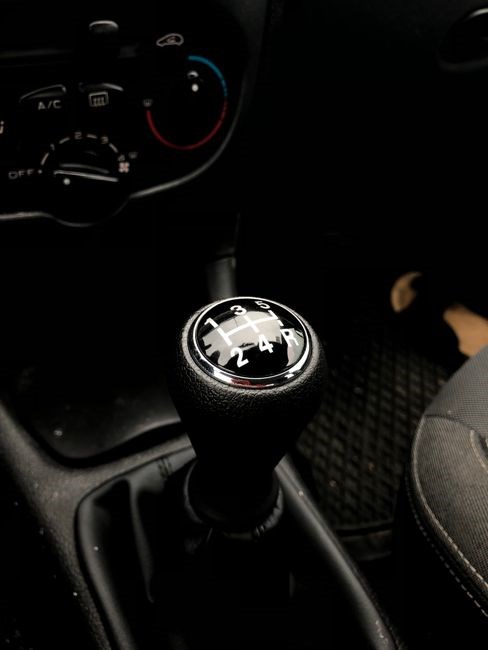
Manual transmissions often provide a fuel‑saving advantage over automatics, in older models where gear ratios are tuned for lower engine RPMs. According to the U.S. Department of Energy, a manual 4‑seat sedan can achieve 2–3% higher miles‑per‑gallon (MPG) than its automatic counterpart, which translates to roughly 5–10 miles saved on a 500‑mile trip. In Europe, the gap narrows due to modern CVTs and dual‑clutch automatics, yet manual cars still retain a slight edge in city driving where frequent gear changes reduce engine load. However, the benefit depends heavily on driver behavior: aggressive shifting, high revs, and improper clutch use can negate the efficiency advantage. Rental agencies sometimes price manuals slightly higher to offset increased maintenance costs associated with clutch wear, but the cost differential is usually less than 5% of the daily rate. For eco‑conscious travelers, the cumulative fuel savings over extended trips can justify the choice of a manual, especially when combined with low‑rolling‑resistance tires and proper tire inflation. Conversely, for short urban rentals, the benefit is negligible, and. This modest advantage can reduce fuel costs for long trips and. Frequent travel can yield significant savings over time every month
Leading Rental Companies Offering Manuals
Hertz, Avis, Budget, and peer platforms like Turo list manual options in select markets. Availability is limited, often in compact or SUV classes, and varies by location for trips.!!
Hertz and Avis
Both Hertz and Avis maintain a modest selection of manual‑transmission vehicles, primarily in the compact and mid‑size segments. Availability is highly location‑dependent, with larger urban centers and European hubs offering the best odds. Customers can view the manual options directly on the rental website or through the mobile app by selecting “Transmission: Manual” in the filter menu. The fleet typically includes models such as the Ford Fiesta, Volkswagen Golf, and similar compact cars that retain a manual gearbox. Rental rates for manuals are usually comparable to their automatic counterparts, though occasional promotions may offer a slight discount for stick‑shift enthusiasts. Drivers must meet standard age and license requirements, and a valid credit card is required for the security deposit. Avis often partners with local dealerships to expand its manual inventory, while Hertz leverages its global network to source vehicles from partner agencies. Both companies provide a brief online guide on clutch operation and hill‑start techniques to help first‑time manual renters feel comfortable driving a stick shift. For travelers seeking a more authentic driving experience, checking the availability of a manual before booking can save time and ensure a smoother rental process. Manual rentals remain a niche offering, appealing to enthusiasts and seasoned drivers alike. The demand for stick‑shift vehicles has seen a modest uptick in certain markets, prompting rental agencies to keep a limited inventory. Travelers who prefer manual transmissions often find that the experience is more engaging and offers better control in varied driving conditions. However, the scarcity of such vehicles means that reservations should be made well in advance, and availability is not guaranteed at all locations. Rental agencies typically list manual options in their online catalogs, allowing customers to filter by transmission type. If a manual is not immediately visible, contacting the local office can sometimes uncover hidden inventory. Additionally, peer‑to‑peer platforms provide an alternative avenue, though rates and vehicle quality can vary widely. Ultimately, the choice to rent a manual hinges on personal preference, driving skill, and the specific itinerary of the trip. Regardless of the source, drivers should review the vehicle’s manual, familiarize themselves with clutch and gear‑shift procedures, and practice in a safe environment before embarking on longer journeys.
Budget and Alamo
Budget and Alamo have historically offered a limited manual‑transmission inventory, primarily in the compact and mid‑size categories. Availability is strongest in European markets and select U.S. airports where demand for stick‑shift vehicles remains high. Customers can filter for “Manual” on the booking page, but the selection is often sparse, so early reservation is advised. Rental rates for manuals are comparable to automatics, with occasional promotional discounts for enthusiasts; Both companies require a valid driver’s license, a minimum age of 25, and a credit card for the security deposit. In the U.S., manual rentals are typically found at larger airports and in cities with higher tourist traffic. In Europe, Budget and Alamo frequently partner with local dealers to source manual models such as the Ford Fiesta, Volkswagen Golf, or Skoda Octavia. Drivers should review the vehicle’s manual for clutch operation, hill‑start assistance, and gear‑shift procedures before departure. If a manual is not listed online, contacting the local office can sometimes reveal hidden inventory. Budget and Alamo also provide brief online guides on clutch usage and hill‑start techniques, helping novice manual drivers feel comfortable. While the inventory is limited, the availability of a manual can enhance the driving experience for those who prefer direct gear control. For travelers seeking a more authentic experience, checking the manual option in advance and booking early increases the likelihood of securing a stick‑shift vehicle. The choice to rent a manual from Budget or Alamo ultimately depends on the traveler’s preference, driving skill, and itinerary. Regardless of the source, drivers should practice in a safe environment before embarking on longer trips. Peak season rates rise, so early booking often saves money today!
Specialized Providers and Peer-to-Peer Platforms
For enthusiasts seeking a manual, niche rental firms and peer‑to‑peer marketplaces fill the gap left by mainstream agencies. Companies such as Turo, Getaround, and HyreCar allow private owners to list stick‑shift cars, often at competitive rates. These platforms provide filters for “Manual” and “Transmission” so renters can locate vehicles ranging from classic muscle cars to modern hatchbacks. Availability is highly localized; in urban hubs and tourist hotspots, listings frequently include Ford Mustang, BMW 3‑Series, or Mazda MX‑5 Miata. Peer‑to‑peer rentals typically require a verified driver profile, a minimum age of 21, and a credit card for the security deposit. Rental agreements are digital, and owners may set specific mileage limits or fuel policies. Some platforms offer optional insurance add‑ons, but renters should review coverage carefully, as standard liability may not cover clutch or gearbox damage. The user interface often includes a step‑by‑step guide on clutch engagement, hill‑start techniques, and gear‑shift timing, which is valuable for first‑time manual drivers. Pricing is usually lower than traditional agencies, with daily rates ranging from $35 to $70 depending on vehicle class and location. Rates vary by season and demand, and peak.
Practical Tips for Renting and Driving a Manual
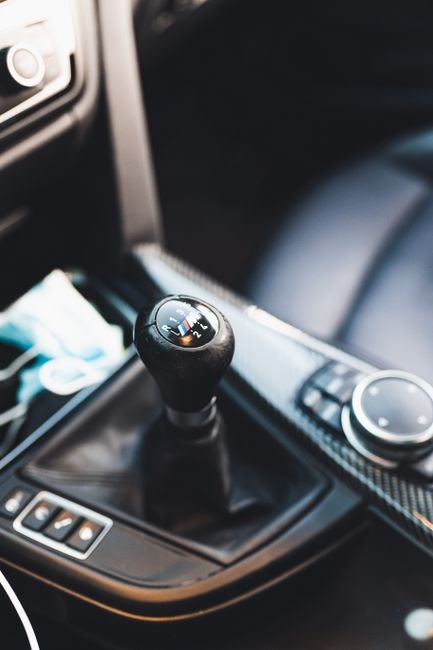
Check the clutch feel, practice hill starts, keep foot off brake when shifting, use hand‑brake for steep slopes, and avoid over‑revving. Confirm insurance covers manual gear damage and keep a spare key handy; and test clutch..!!!
Vehicle Inspection Checklist
Before accepting a manual rental, perform a thorough inspection. Verify the body for dents, scratches, and rust; confirm all lights, mirrors, and windows function. Check the engine bay for leaks, oil level, and coolant condition. Inspect the transmission: ensure the gear shift lever moves smoothly, the clutch pedal has proper resistance, and the clutch cable or hydraulic system shows no leaks. Test the brakes for even response and listen for any squealing. Confirm that the spare tire, jack, and lug wrench are present and in good condition. Verify the vehicle’s registration, insurance, and rental agreement are accurate. Take a short test drive to feel clutch engagement, shift feel, and overall vehicle handling. Document any pre‑existing damage with photos and report it to the rental office to avoid disputes upon return. This checklist helps protect you from hidden issues and ensures a safe, enjoyable manual driving experience. Check the spare tire, jack, and lug wrench. Verify seat belts and airbags. Test horn, wipers, and signals. Ensure parking brake works. Ask about any manual‑specific instructions; Confirm the rental company’s roadside assistance coverage. Check the fuel cap seal for leaks.
Handling Hill Starts and Traffic
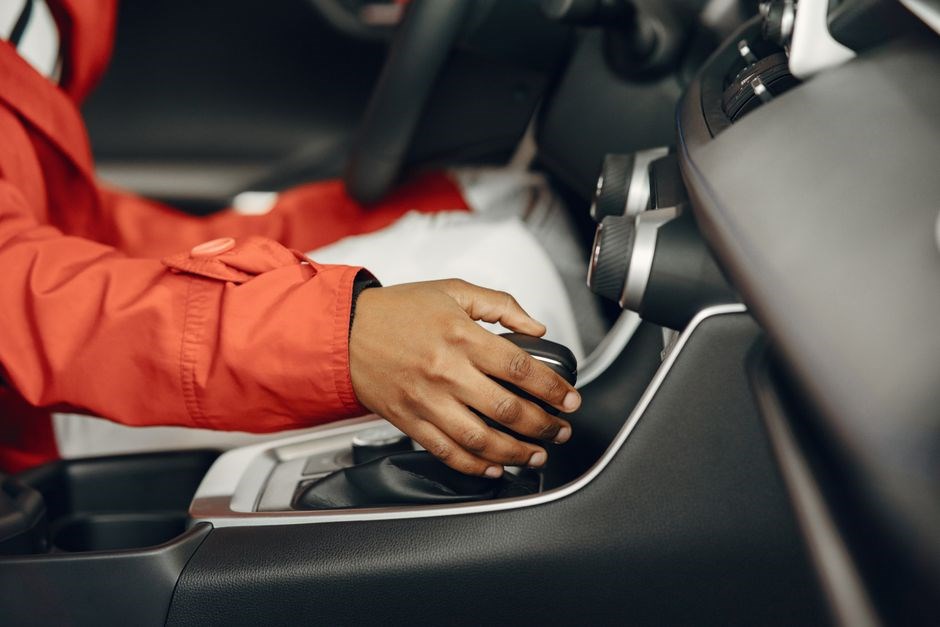
When you rent a manual, mastering hill starts is essential. First, engage the clutch fully and place the gear lever in first. With the hand brake engaged, release the clutch slowly while gently applying throttle. The clutch should bite around the 1‑2 mph mark; once the car begins to move, release the hand brake and continue to ease the clutch. On steep inclines, use the “clutch‑and‑throttle” technique: hold the clutch until the engine revs rise, then release it smoothly to avoid stalling. In stop‑and‑go traffic, keep the clutch depressed and the foot on the brake. Shift to neutral when stopped to reduce clutch wear. When you’re ready to move, press the clutch, shift to first, and accelerate. Use the “rev‑matching” method when shifting up: lift the throttle, press the clutch, shift, then apply throttle again to match engine speed. This reduces shock on the drivetrain. For downhill driving, downshift to keep engine braking; avoid over‑revving by shifting to a lower gear before the speed drops. Always keep the clutch engaged only when necessary, and practice in a low‑traffic area before tackling busy streets. Stay calm, use smooth inputs, and your manual rental will feel like a second nature.
Insurance and Liability Coverage
When renting a manual, the insurance framework mirrors that of any vehicle, yet a few nuances set it apart. Most agencies bundle a Collision Damage Waiver (CDW) and a Theft Protection (TP) into a single “Loss Damage Waiver” (LDW). This waiver removes the renter’s liability for damage or theft, provided the terms are met. Manual transmissions, however, often carry a higher deductible—typically $1,000 to $1,500—because of increased clutch wear. Some carriers offer a “Clutch Protection” add‑on that reduces the deductible to $500, but it usually costs an extra $10–$15 per day.
Credit‑card coverage is another layer. Many major cards (e.g., Visa, MasterCard, American Express) provide secondary coverage that can offset the CDW, but the card’s policy may exclude manual vehicles or impose a higher deductible. Always review the card’s terms before accepting the agency’s CDW. If you decline the agency’s CDW, you’ll be personally liable for any damage, so consider purchasing a third‑party policy that specifically lists manual transmissions.
Roadside assistance is typically included with the CDW, covering towing, battery jump‑start, and lock‑out services. Some agencies offer “Premium Assistance” for an extra fee, which adds a mobile mechanic and spare tire service. For long‑term rentals, a “Full‑Coverage” plan may be available, covering all mechanical failures, including clutch replacement, at a flat rate. Check the rental agreement for exclusions—common ones include “excess mileage,” “off‑road use,” and “driving under the influence.”
Finally, always inspect the vehicle before departure. Document any pre‑existing damage in the rental log and photograph it. This protects you from disputes over damage claims once you return the car. A clear, signed log reduces the likelihood of a high liability payout, especially for manual cars where clutch wear is a frequent concern.